Trustworthy Semi Truck Services for Your Long-Distance Hauls
Reliable semi truck services play a pivotal role in the logistics industry. They guarantee timely deliveries and the security of cargo during long-distance hauls. With the right company, companies can enhance operational efficiency and customer satisfaction. However, selecting the right service requires careful consideration of various factors. Understanding these elements can greatly impact overall performance in a competitive market. What should businesses consider when assessing potential trucking partners?
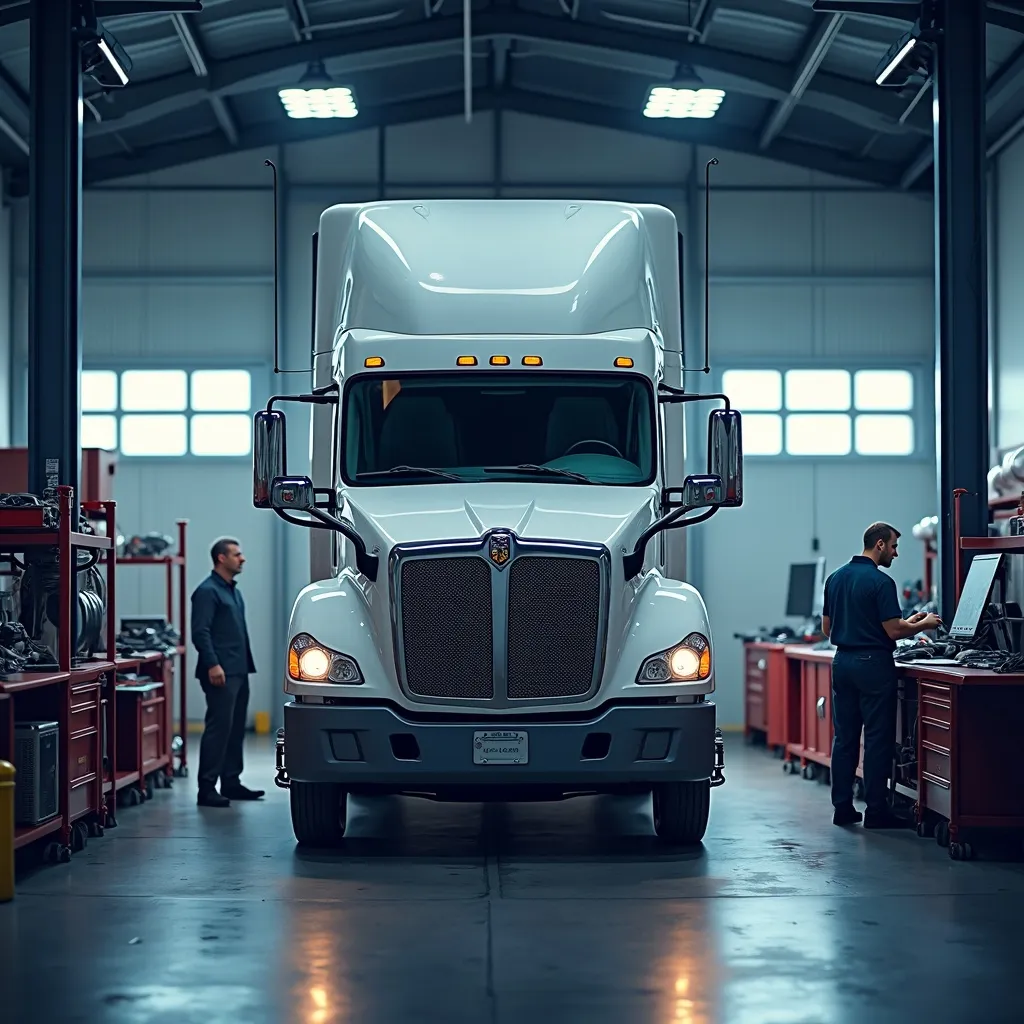
The Significance of Reliable Semi Truck Services
Professional semi truck services constitute an important role in the transportation industry, providing punctual deliveries and promoting efficient logistics. These services serve as the foundation for organizations that are reliant on transport goods over vast distances. The skill to keep timelines and achieve deadlines materially impacts an entity's reputation and profitability. Additionally, reliability of semi truck operations supports reducing operational expenses, as it prevents delays that can create financial losses.
Moreover, reliable trucking services improve customer satisfaction by ensuring that products arrive in peak condition and on time. A consistent service also fosters trust between carriers and clients, creating long-term partnerships. Furthermore, with the growing demand for e-commerce, the need for dependable transportation has never been more critical. In this challenging landscape, businesses that prioritize dependable freight transportation are better suited to thrive and adapt to changing market conditions.
How to Evaluate the Standing of Semi Truck Providers
Determining the standing of semi truck service vendors is important for businesses aiming to ensure smooth logistics and timely deliveries. Companies can start by evaluating online ratings and feedback from previous clients, which often reflect the reliability and quality of service offered. Social media platforms can also supply insights into customer experiences and engagement levels.
In addition, gathering recommendations from industry peers can furnish valuable information about credible sources. Membership in reputable organizations, such as the American Trucking Association, often reveals a commitment to regulatory requirements and quality standards.
It is also advantageous to examine any disputes submitted to regulatory agencies, as this can identify possible issues. Ultimately, evaluating the vendor's experience and track record in dealing with specific freight types may further enhance their expertise. By utilizing these strategies, businesses can select appropriately when picking semi truck service providers.
Important Parameters for Selecting Your Semi Truck Care
When choosing a semi truck provider, multiple important factors come into consideration. Reliable and accessible service, transparent pricing, and compliance with safety regulations are fundamental factors that can significantly affect operational performance. Comprehending these factors is crucial for making an informed decision.
Dependability and Availability of Service
Picking a semi truck service is primarily based on its reliability and availability, because these features significantly impact operational efficiency. A reliable service guarantees timely deliveries, reducing the risk of delays that can affect client satisfaction and overall business performance. Availability remains necessary; a service available round-the-clock can respond to urgent requests and surprises, providing peace of mind for long-distance shipments. Companies should evaluate a provider’s track record, including on-time performance and responsiveness to issues. Also, assessing the fleet’s upkeep practices can highlight possible dependability, making sure the vehicles are fit for the road and prepared for extended journeys. In the end, focusing on reliability and availability supports companies to maintain a competitive advantage in logistics.
Fee Transparency and Layout
Choosing a semi truck service involves many factors, with pricing transparency and cost structure being key aspects. Prospective clients need to know the cost breakdown tied to their services to make well-informed choices. Transparent pricing removes hidden fees and unexpected charges, cultivating trust between the client and service provider. A clear structure outlining costs for distance, weight, and additional services enables businesses budget effectively. Furthermore, companies that provide detailed quotes and itemized invoices demonstrate professionalism and accountability. By prioritizing pricing transparency, clients can ensure they receive fair value for their investments while avoiding unpleasant surprises during long-distance hauls. This clarity ultimately enhances a smoother and seamless transport experience.
Security Standards and Adherence
Safety standards and adherence to regulations are critical considerations in choosing a semi truck service. Companies must adhere to federal and state regulations, including the Federal Motor copyright Safety Administration (FMCSA) guidelines. These regulations cover vehicle maintenance, driver qualifications, and hours of service. A reliable service will hire qualified drivers with necessary certifications and maintain up-to-date records of inspections and repairs. Additionally, adherence to safety protocols, such as proper cargo securing and the use of safety equipment, is vital. Clients should ask regarding the service's safety history, including accident rates and compliance audits. By prioritizing safety and compliance, businesses can guarantee reliable transportation while reducing risks on long-distance hauls. Ultimately, these factors contribute to a trustworthy and efficient semi truck service.
How to Find the Correct Pricing Strategy for Long-Distance Hauling
How can one accurately evaluate the most fitting rate structure for extended-distance shipping? The selection depends on various elements, including the character of the cargo, mileage, and market trends. Common rate structures encompass per-mile rates, flat fees, and weight-based charges. Companies should review their shipment frequency and capacity to determine which approach minimizes costs while guaranteeing profitability.
In addition, recognizing the competition's pricing strategies can give insights into competitive benchmarks. For instance, distance-based fees may be favorable for regular shipments, while fixed pricing could help irregular shipments. It's also vital to account for potential surcharges, such as fuel or road tolls, which can greatly affect overall expenses.
In the end, picking the right pricing model necessitates a detailed analysis of functional requirements, market trends, and financial goals to guarantee that the chosen approach aligns with the company's long-term strategy.
Why Customer Support Is Critical in the Trucking Sector
Superior customer support takes a critical position in the trucking industry, shaping both operational efficiency and client satisfaction. Immediate engagement between trucking companies and clients fosters trust, making certain that expectations are explicitly understood and met. When issues arise, quick-acting support teams can swiftly address concerns, minimizing potential disruptions to shipments.
Furthermore, expert assistance team can offer valuable insights into logistics, assisting customers determine the best options about their freight needs. This forward-thinking strategy not only improves the customer experience but also strengthens enduring business relationships.
Moreover, strong customer support can set apart a trucking company in a cutthroat market. Clients are more likely to stay faithful a company that values their needs and resolves problems promptly. Ultimately, investing in quality customer support is vital for sustaining operational success and creating a strong reputation in the trucking industry.
Key Systems in Semi Truck Care
Within the industry of semi truck services, innovative solutions fulfill an critical role in increasing operational efficiency. GPS navigation systems, fleet management software, and telematics with data analytics represent key tools that enhance logistics and strengthen route planning. learn here These developments not only boost performance but also drive cost savings and better resource management.
GPS Positioning Systems
In the evolving logistics industry, GPS navigation systems have become indispensable for commercial truck services, enhancing efficiency and safeguards during road operations. These navigation tools provide up-to-date location tracking, allowing operators to pick the quickest routes and evade traffic congestion. Utilizing satellite technology, GPS improves navigation accuracy, resulting in lower fuel consumption and faster delivery times. Additionally, many systems offer features such as route optimization and alerts for road conditions, enabling drivers to make informed decisions while on the journey. Performance analysis can also be conducted with this data, enabling companies to review driver conduct and route success. In the end, GPS navigation systems serve as a key tool backing the operational demands of long-haul trucking, guaranteeing on-time deliveries and better customer satisfaction.
Fleet Administration Software
Fleet management software transforms the way semi truck services operate by simplifying workflows and enhancing decision-making. This technology integrates various functions, allowing fleet managers to track vehicle performance, optimize routes, and oversee maintenance schedules effectively. By centralizing information into a single platform, it facilitates real-time tracking of assets, ensuring on-time shipments and reducing operational costs. In addition, fleet management software ensures compliance with regulations by automating reporting and documentation processes. The ability to analyze historical data aids in forecasting needs and enhancing resource allocation. Overall, this software enables logistics companies to boost productivity, reduce downtime, and maintain a competitive edge in the ever-evolving transportation industry.
Telemetry and Data Analytics
The integration of telematics and data analytics into semi truck services significantly improves performance optimization. By utilizing real-time data, fleet managers can track vehicle performance, measure fuel consumption, and optimize routes. This technology facilitates predictive maintenance, reducing downtime and extending the lifespan of vehicles. Data analytics further assists in identifying patterns and trends, allowing for informed decision-making that improves logistics and economic efficiency. Furthermore, telematics systems provide insights into driver behavior, promoting safer driving practices and enhancing overall road safety. As a result, companies implementing these technologies are well-equipped to respond to market demands while reducing operational costs. Ultimately, telematics and data analytics represent essential instruments for modernizing and streamlining long-distance hauling operations.
Strategies for Creating a Long-Term Collaboration With Your Trucking Service
Building a thriving enduring partnership with a freight company demands strategic planning and transparent dialogue. First, businesses should establish clear expectations regarding delivery timelines, pricing, and service quality. This clarity fosters mutual understanding and minimizes possible disputes.
In addition, regular check-ins can encourage a engaged relationship, enabling both entities to address problems before they mount. It is also crucial to communicate insights into service requirements and complications, allowing the trucking service to fine-tune its offerings effectively.
In addition, recognizing the trucking service's accomplishments and achievements can elevate morale and commitment. Giving constructive input and recognizing improvements nurtures a collaborative atmosphere.
Finally, consider exploring expansion possibilities and how both parties can gain advantage from each other's expansion. By dedicating efforts and capital into nurturing this relationship, businesses can guarantee not only dependable service quality but also a market advantage in the logistics landscape.
Questions Frequently Asked About
What Categories of Freight Can Dependable Semi Truck Solutions Deliver?
Dependable semi truck solutions can transport different kinds of freight, including agricultural products, machinery, electronics, textiles, and hazardous materials. Their versatility allows efficient transportation across distances, serving diverse industries and logistical needs.
What's the Best Way to Monitor My Shipment During Long-Distance Hauls?
To track shipments during long-distance hauls, one can use GPS tracking systems, smartphone apps, or online portals provided by the trucking service, ensuring real-time updates on location and estimated delivery times throughout the journey.
What Protection Plans Are Accessible for Semi Truck Work?
Protection options for semi truck services consists of liability coverage, cargo insurance, physical damage insurance, and non-trucking liability. Each type addresses specific risks, providing adequate protection during long-distance transportation and preventing potential financial losses.
How Might Weather Conditions Alter Long-Distance Trucking Services?
Weather circumstances substantially influence long-distance transport operations, affecting visibility, road conditions, and driving safety. Rain, snow, and fog can cause delays, increase accident risks, and necessitate adjustments in routes and schedules for ideal safety.
What May I Do if My Package Has Been Delayed?
If a shipment is delayed, the individual should initially communicate with the copyright for status reports, then notify the consignee about the issue. Reviewing the contract for terms and likely payment alternatives may also be helpful.